
Billing
Recovering Failed Payments Without Annoying Customers
A large share of involuntary churn is an expired card, not a decision to leave. Retry logic that reads the decline reason recovers most of it quietly.
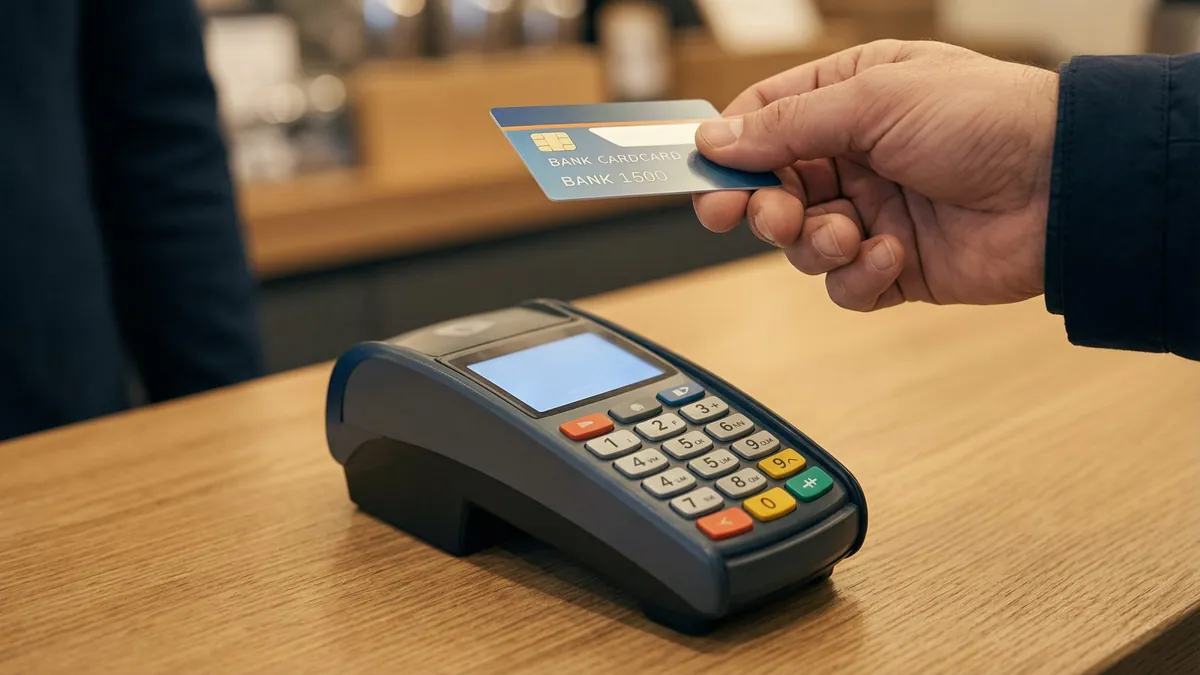
In most subscription businesses a substantial part of monthly churn is involuntary: the customer intended to keep paying and the payment failed. Card expired, bank reissued it, a fraud rule tripped, the balance was briefly short. Treating those customers like people who chose to leave is both a poor experience and an avoidable loss.
Read the decline reason
Gateways return a reason code, and it separates failures into two categories that deserve completely different handling.
• Soft declines — insufficient funds, temporary hold, issuer unavailable, velocity limit. Retrying works, often within days.
• Hard declines — card expired, stolen, closed account, invalid number. Retrying will never work; you need new details from the customer.
Retrying a hard decline on a schedule is the most common mistake in this area. It cannot succeed, it incurs gateway fees, and repeated attempts against a flagged card can affect your processing reputation.
A hard decline is not a timing problem. No number of retries will fix a closed account.
Retry soft declines on a sensible schedule
Space the attempts to align with how customers actually receive money, and stop while goodwill is intact.
• Attempt two: 24–72 hours later.
• Attempt three: around day five.
• Attempt four: around day ten, deliberately overlapping a typical payday.
• Then stop retrying and switch to asking.
Where the gateway offers account updater services for reissued cards, use them — a meaningful share of failures resolve with no customer contact at all.
Prevent it before it happens
The highest-return intervention is the one that avoids the failure entirely. Email customers whose card expires next month, before the renewal attempt, with a one-click update link. This is cheap, welcome, and recovers revenue that would otherwise have to be won back after a service interruption.
Design the grace period
Suspending access the moment a payment fails escalates an administrative hiccup into a churn decision. A grace period of a week or two, with clear in-product notification, keeps the customer using the product while the payment resolves — and a customer still using the product is far more likely to fix their card.
Make updating painless
The recovery email should lead to a single authenticated page with the amount, the reason, and a card field. Every additional step — logging in, navigating to billing, finding the right screen — loses a proportion of the people who intended to pay. Measure the drop-off through that flow; it is usually worse than anyone assumes.
Separate the two churn numbers
Report voluntary and involuntary churn separately, permanently. They have different causes, different owners and different fixes: one is a product and value problem, the other is a billing operations problem. A blended churn figure hides which of the two is moving, and teams end up working on the wrong one.

Reading the decline code instead of blind-retrying was worth more than any email copy change. Retrying a hard decline four times just burns goodwill and gateway fees.
Pre-expiry reminders are the cheapest win available and almost nobody sends them. We recovered a meaningful chunk of involuntary churn before it happened.
The grace period point matters. Cutting off service instantly on a failed payment turns an administrative problem into a cancellation conversation.